Sonia (Year 12) explores the evolution of Chinese characters in this article, clearly explaining the different stages of development, and the correlating dynasties that they match up with. She goes on to detail the actions of the Chinese government in the 20th century, and why it may be seen as controversial that they simplified the characters.
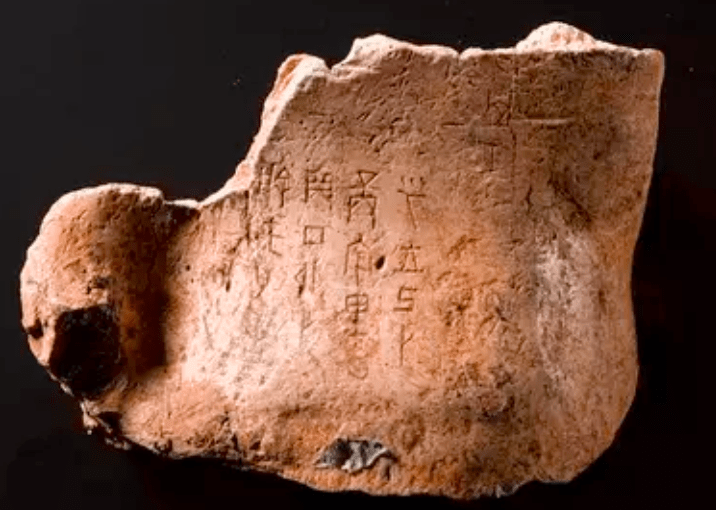
汉字的发展带来了汉字的不断简化。汉字演变的阶段是:甲骨文,金文,大篆,小篆,隶书,楷书,简体字。甲骨文是商代写在龟甲和兽骨上的文字。在商代(从公元前 1600 年到公元前 1046 年),甲骨用于占卜。之后,在周代 (从公元前1046年到公元前221年),金文是在青铜器上的铭文。金文笔画很宽,而且有圆点,而且金文比甲骨文更有系统。
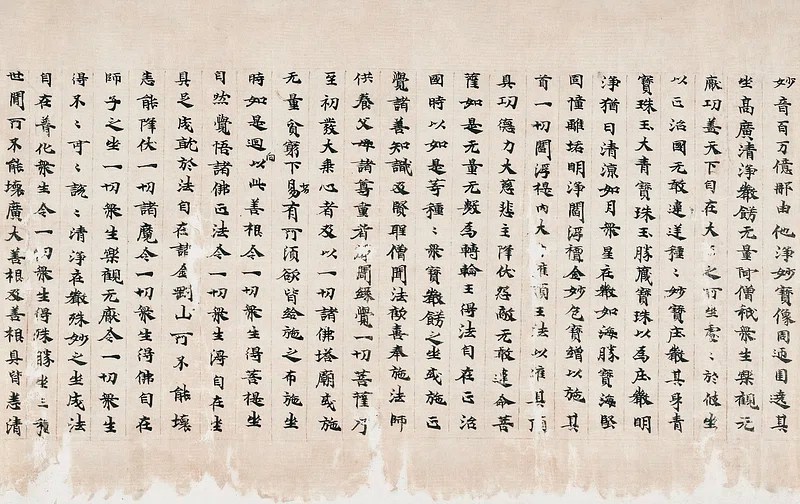
大篆指小篆以前的文字,包括金文,籀文。在秦代(从公元前221年到公元前207年),宰相李斯按照秦国的文字标准简化了汉字。因此秦篆包括小篆和大篆。虽然小篆标准化了,但是书写不方便。因此在汉代(从公元前206年到公元220年),人们使用隶书,后来隶书演变为楷书。隶书和楷书加强了符号,所以书写更简单。手写时,人们使用行书,但是因为笔画不太清晰,笔顺也不太严格,因此比较难看得懂。
20世纪时,中国政府为了提高识字率,简化了2000个汉字左右。外国人学习简体中文更容易,而且国际组织,比如世界卫生组织,用简体字作为标准中国文字。但是,有些人反对简体字因为他们认为保护传统最重要。另外,简体字造成了阅读古籍的障碍。由此可见,虽然汉字一直在演变,但是有些人反对简体字,因为破坏了汉字演变的系统性

The development of Chinese characters in turn simplified them. The stages of the evolution of Chinese characters are: Oracle, Gold, Dagou, Xiaotou, Subordinate Books, Letters, Simplified Words. Oracle is a text written by Shang on turtle and animal bones. In the Shang Dynasty (from 1600 BC to 1046 BC), oracles were used for divination. Later, in the Zhou Dynasty (from 1046 BC to 221 BC), the Golden Text was an inscription on bronze. Golden strokes are wide and have polka dots and is more systematic than Oracle.
The seal refers to the old script of the seal, including gold, 籀文. In the Qin Dynasty (from 221 BC to 207 BC), the Prime Minister Li Si simplified the Chinese characters according to the written standards of the Qin Kingdom. Therefore, the seal of Qin includes small seal and big heel. Although the seal is standardised, writing is inconvenient. Thus, in the Han Dynasty (from 206 BC to 220 AD), people used affiliated books, which later evolved into standard books. Accessories and letters reinforce symbols so writing is simpler. When writing, people use line books but because the strokes are not clear, the strokes are not too strict and therefore more difficult to understand.
In the 20th century, the Chinese government simplified about 2,000 Chinese characters in order to improve literacy. It is easier for foreigners to learn simplified Chinese and international organisations, such as the World Health Organisation, use simplified characters as standard Chinese characters. However, some people oppose simplified typeface because they consider it most important to protect tradition. In addition, simplified characters create barriers to reading ancient books. Thus, although Chinese characters have been evolving, some people oppose simplified characters because they undermine the systemic nature of their evolution.

 The Linguist NLCS