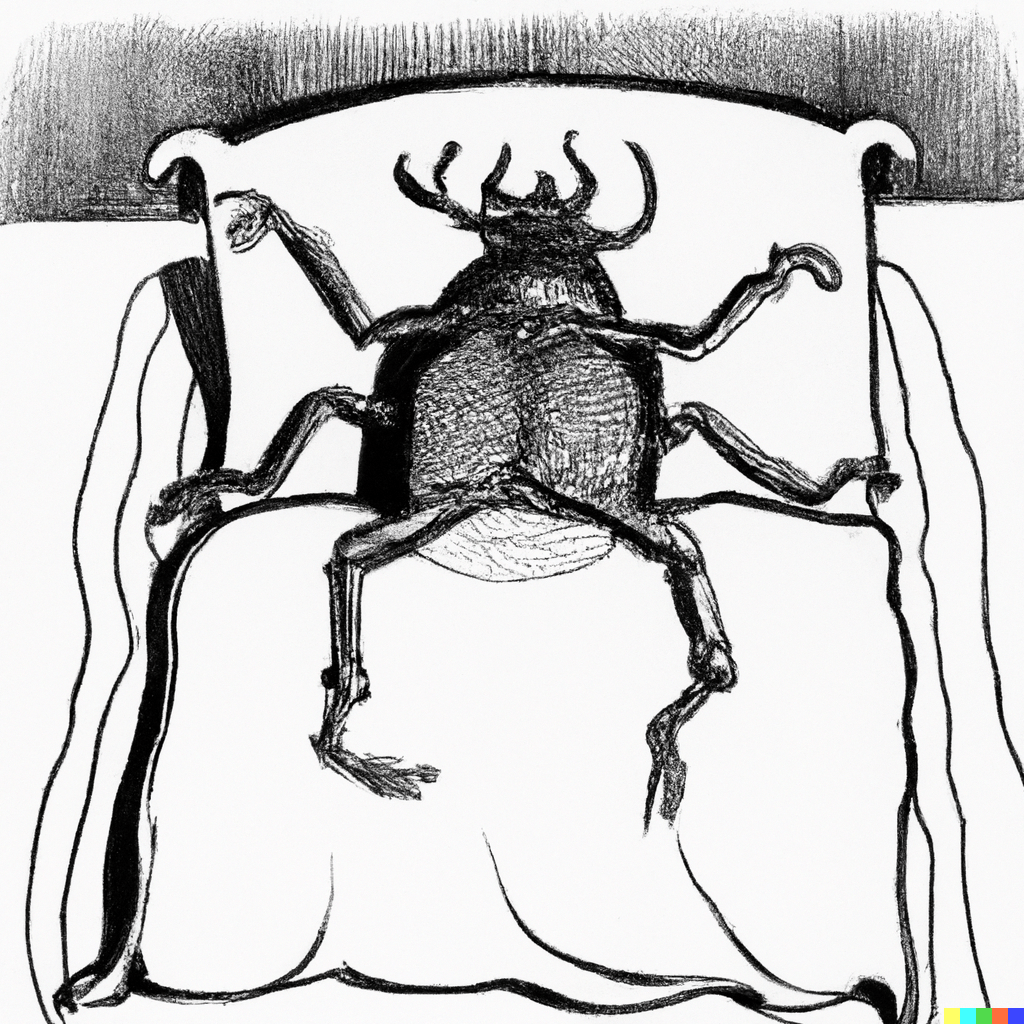
Veronika (Year 12) explores Gregor Samsa, the protagonist of Franz Kafka’s The Metamorphosis, and the evolution of his relationship with his family. She explores how his transformation caused them to develop and change after he woke up one day as a cockroach, and the relevance this had to Kafka’s own life.
Die Erzählung ‚Die Verwandlung‘ von Franz Kafka handelt von Gregor Samsa, und davon, wie sich sein Leben, insbesondere seine Beziehung mit der Familie, ändert als er eines Morgens aufwacht und er sich in ein ‚ungeheures Ungeziefer‘ verwandelt hat.
Als er sich in einem neuen Körper vorfindet, gilt einer seiner ersten Gedanken seiner Familie, und wie sie reagieren werden, wenn sie ihn sehen. Samsa, der vor dieser Verwandlung der Hauptbrotverdiener der Familie war, ist jetzt eine Belastung für dieselbe Familie, die ohne sein Gehalt noch weniger Geld als vorher hat.
Vor der Verwandlung hatte er eine Verantwortung gegenüber seiner Familie, die ihn davon abhielt, seinen eigenen Weg zu suchen und seine Familie zu verlassen. Jetzt aber, haben sich die Rollen vertauscht, und er braucht seine Familie für alles, denn ohne sie ist er völlig machtlos. Seine Schwester, die nie im Leben irgendetwas Schwieriges oder Anstrengendes tun musste, ist jetzt zuständig für ihren Bruder, und muss sich um ihn kümmern. Aber es dauert nicht lange bis die Familie anfängt, ihn zu vernachlässigen. Wegen seiner Unfähigkeit, mit ihnen zu kommunizieren, wird es immer schwerer ihn, wie einen Menschen, oder sogar gleichwertig zu behandeln. Man sieht hier, wie Macht die Familie Samsa beeinflusst. Durch Geld und seine Arbeitsfähigkeit hatte Gregor Macht, aber er entschied sich immer noch bei seiner Familie zu bleiben. Im Gegenteil, als Gregor verwandelt wurde, und er seine Macht verlor, opferte seine Familie sich nicht für ihn auf, wie er es für sie getan hatte. Dadruch wird deutlich, dass sich nicht nur die Rollen in der Familie geändert haben, sondern auch die Erwartungen der Familienmitglieder.
Am Ende der Geschichte wird Gregor von seiner Familie so vernachlässigt, dass sein Zimmer fast ganz voll mit Abfall ist, und er kaum noch Platz hat, sich zu bewegen. Er stirbt wegen dieser Vernachlässigung, aber er hat seit seiner Verwandlung seine Familie so viel Arbeit gekostet, dass sie nicht mal echt um ihn trauert, denn für sie ist sein Tod wirklich eine Erleichterung.
In dieser Geschichte ist ein Hauptthema die Enwicklung der Beziehungen innerhalb der Samsa Familie, insbesondere, wie Macht sie verändert hat. Es scheint, als ob Gregor nur das Recht hätte, in der Familie zu sein, solange er mithilft und als ob seine Macht in dem Geld läge, das er für seine Familie verdiente. Ohne dieses Geld hat er keine Funktion, und sein Menschenrecht ist nicht erfüllt. Mit diesem Aspekt der Geschichte, stellt Kafka in Frage, wie wichtig die Rollen in der Familie sind, und ob Familie nur etwas bedeutet, wenn sie eine Funktion hat.
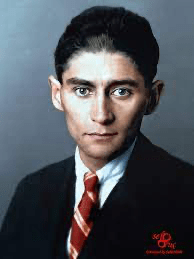
Diese merkwürdigen Arten der Entwicklung und der Abfolge von Ereignissen finden sich auch in anderen Werken Kafkas, und zwar so sehr, dass es einen bestimmten Begriff gibt, Kafkaesk, um ein verwirrendes und seltsames Ereignis zu beschreiben, was vielleicht auf Kafkas eigenes Leben zurückgeht. Kafka gehörte der jüdischen Minderheit in der Tschechischen Republik an und wurde von der deutschen Gemeinschaft in Prag isoliert. Er hatte auch Probleme mit Beziehungen in der Familie, etwas, das einen Einfluss auf sein Werk gehabt haben könnte, wie zum Beispiel die Verwandlung.
Zum Schluss ändern sich die Beziehungen innerhalb der Samsa Familie aufgrund von einer Machtverschiebung, was zum endgültigen Tod Gregor Samsas führt, weil seine Familie nicht bereit war, die gleichen Opfer zu bringen, die er für sie gebracht hatte.
English Translation:
The development of Gregor Samsa’s family and their attitude towards him after his transformation.
The story ‘The Metamorphosis’ by Franz Kafka is about Gregor Samsa, and how his life, especially his relationship with the family, changes when he wakes up one morning and turns into a monstrous vermin.
When he finds himself in a new body, one of his first thoughts is about his family and how they will react when they see him. Samsa, who before this transformation was the main earner of the family, is now a burden on the same family, which without its salary has even less money than before.
Before the transformation, he had a responsibility to his family that kept him from seeking his own way and leaving his family. But now, the roles have changed, and he needs his family for everything, because without them he is completely powerless. His sister, who never had to do anything difficult or strenuous in life, is now in charge of her brother, and must take care of him. But it doesn’t take long for the family to start neglecting him. Because of his inability to communicate with them, it becomes increasingly difficult to treat him as a human being, or even equivalent. You can see how power influences the Samsa family. Through money and his ability to work, Gregor had power, but he still decided to stay with his family. On the contrary, when Gregory was transformed and he lost his power, his family did not sacrifice themselves for him, as he had done for them. It becomes clear that not only the roles in the family have changed, but also the expectations of the family members.
At the end of the story, Gregor is so neglected by his family that his room is almost completely full of rubbish and he barely has room to move. He dies because of this neglect, but he has cost his family so much work since his transformation that they don’t even genuinely mourn him, because to them his death is really a relief.
In this story, a major theme is the evolution of relationships within the Samsa family, particularly how power has changed them. It seems that Gregor only has the right to be in the family as long as he helps out and that his power lies in the money he earns for his family. Without this money, he has no function and his human right is not fulfilled. With this aspect of the story, Kafka questions the importance of roles in the family, and whether family only means something if it has a function.
These strange ways of developing and sequencing events are also found in other works by Kafka, so much so that there is a specific term, Kafkaesque, to describe a confusing and strange event, which perhaps goes back to Kafka’s own life. Kafka belonged to the Jewish minority in the Czech Republic and was isolated from the German community in Prague. He also had problems with relationships in the family, something that may have had an influence on his work, such as The Metamorphosis.
In the end, the relationships within the Samsa family change due to a shift in power, which leads to Gregor Samsa’s final death because his family was not willing to make the same sacrifices he had made for them.

 The Linguist NLCS