
Vani (Year 12) writes an account of a sixth form trip to the Estorick Gallery to see various futuristic works of art.

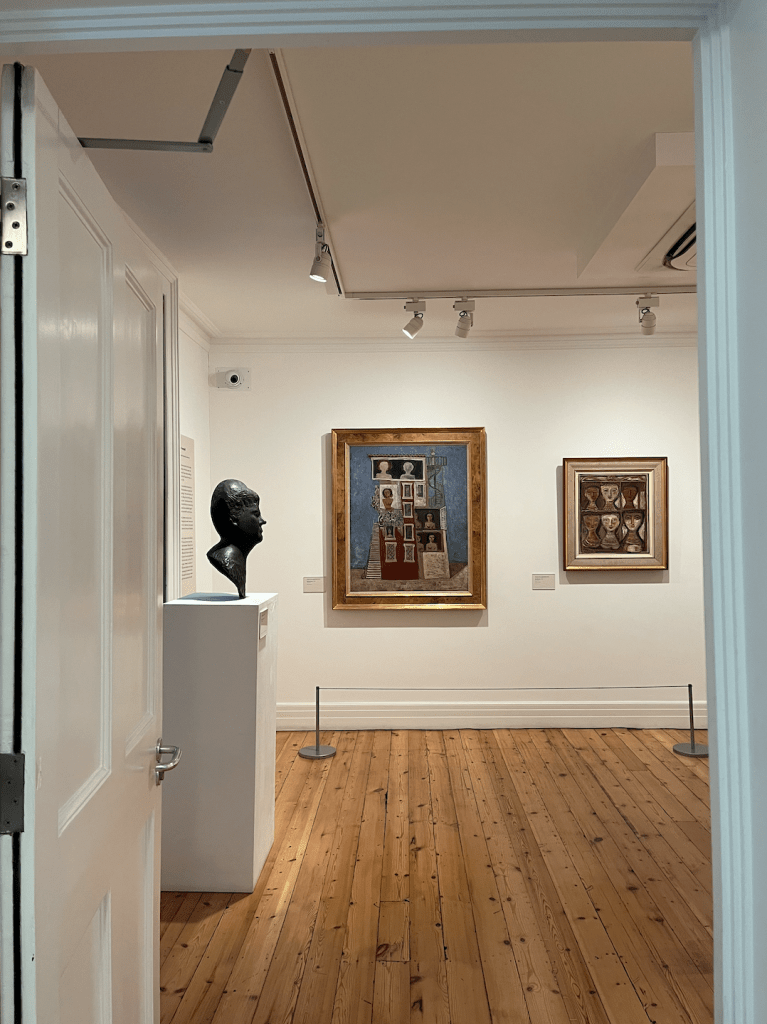
Il 13 novembre abbiamo visitato la Galleria Estorick. Abbiamo visto diverse opere d’arte relative al Futurismo. Alla fine della visita abbiamo potuto metterci alla prova e realizzare le nostre opere.
Che cos’è il Futurismo
Il Futurismo è un movimento artistico italiano nato all’inizio del XX secolo che ha provato a cattuare il dinamismo e l’energia del mondo moderno nell’arte.

Origini del Futurismo
Il Futurismo fu fondato a Milano dal poeta italiano Filippo Tommaso Marinetti. Marinetti desiderava ristabilire l’Italia come nuovo centro culturale. Ispirato da quest’idea, scrisse il Manifesto del Futurismo, un movimento che intendeva opporsi all’arte tradizionale in favore dell’energia e del dinamismo.
Nel 1910, i giovani artisti Boccioni, Carrà e Russolo si unirono al movimento e scrissero il Manifesto dei pittori futuristi, formando il primo nucleo degli artisti futuristi. Pensavano che il Futurismo potesse andare oltre la letteratura e la poesia, non solo influenzando direttamente il modo di vivere dei cittadini, ma anche promuovendo la violenza e la necessità della guerra. I futuristi scrissero su ogni tipo di argomento, come ad esempio l’architettura.
Idee alla base del Futurismo
I futuristi cercarono di spazzare via quelle che credevano fossero nozioni obsolete. Proposero invece una celebrazione energica dell’era delle macchine. L’obiettivo principale era rappresentare una visione dinamica del futuro e spesso dipingevano nuove tecnologie come i treni e gli aerei. Credevano di poter promuovere il cambiamento e il rinnovamento in ogni aspetto della vita.
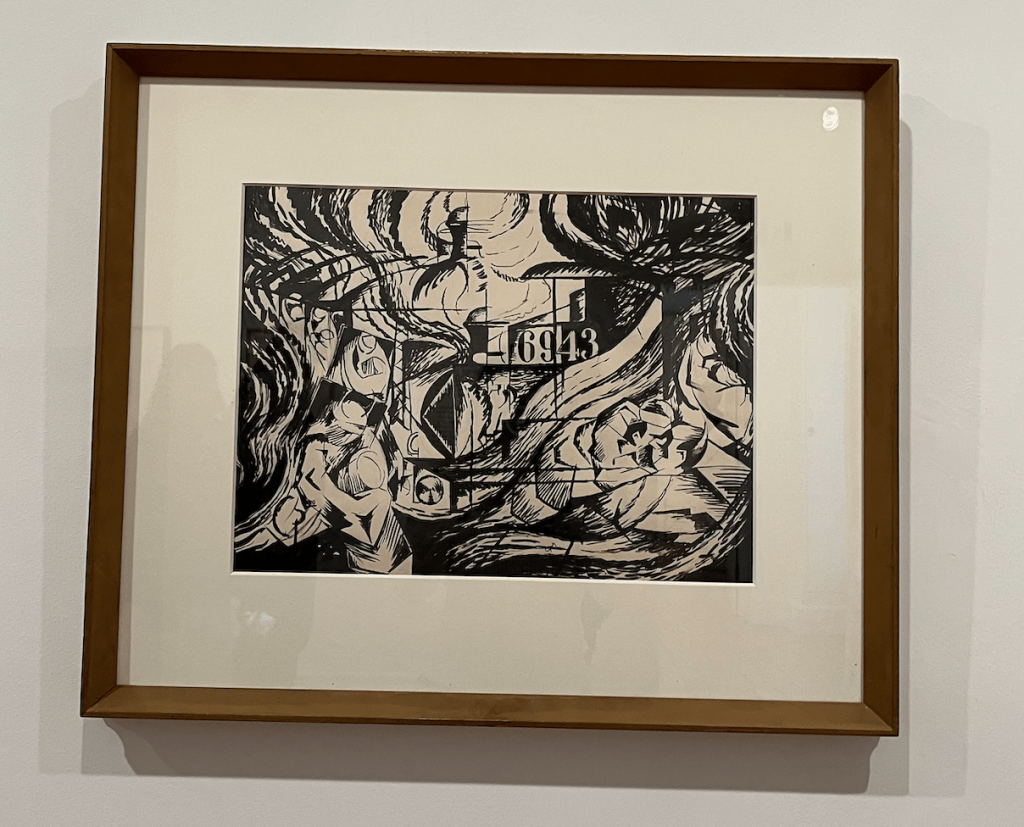
Per ottenere dinamismo nella loro arte, i futuristi hanno sviluppato tecniche per esprimere la velocità e il movimento. Queste tecniche includevano la sfocatura e la ripetizione, facendo anche uso di linee di forza. I futuristi hanno lavorato attraverso una vasta gamma di forme d’arte come la pittura, l’architettura, la scultura, la letteratura, il teatro e la musica.
Famosi artisti futuristi
Tra gli artisti futuristi più importanti ricordiamo Umberto Boccioni, Giacomo Balla, Carlo Carrà e Gino Severini.
La politica del Futurismo
Il Futurismo vide il momento di maggiore influenza e attività tra il 1909 e il 1914. Durante la guerra, la prima ondata del Futurismo italiano terminò quando alcuni membri del gruppo partirono al fronte. Tuttavia, dopo la Prima Guerra Mondiale, Marinetti riprese l’attività del movimento. Questa rinascita attrasse una nuova serie di artisti e divenne nota come il Futurismo di Seconda Generazione.
Il Futurismo è uno dei movimenti artistici più politicizzati. Molti futuristi italiani erano sostenitori del Fascismo. Erano fortemente patriottici, favorevoli alla violenza e contrari alla democrazia parlamentare. Nel 1922, quando Mussolini ottenne il potere, il Futurismo era ufficialmente accettato dai fascisti. Finché l’arte serviva a sostenere la loro agenda politica, erano soddisfatti. In seguito, dopo la caduta del Fascismo, molti artisti futuristi furono influenzati negativamente dalla loro associazione con il Fascismo.

Famose opere d’arte futurista
Nel 1913, Balla creò un’importante serie di opere che riflettevano una nuova analisi dell’artista sul concetto di dinamismo. In essi, Balla cercò di suggerire il vortice di energia generato da macchine in rapido movimento, ma rimosse quasi tutti i riferimenti visivi ai veicoli stessi. In questo modo sviluppò una delle prime interpretazioni astratte dei temi futuristi.

English Translation
A trip to the Estorick Gallery.
On November 13th we visited the Estorick Gallery. We saw several works of art related to Futurism. At the end of the visit we tested ourselves by making our own pieces of artwork.
What is Futurism
Futurism is an Italian artistic movement born in the early twentieth century that tried to capture the dynamism and energy of the modern world in art.
Origins of Futurism
Futurism was founded in Milan by the Italian poet Filippo Tommaso Marinetti. Marinetti wanted to re-establish Italy as a new cultural center. Inspired by this idea, he wrote the Manifesto of Futurism, a movement that intended to oppose traditional art in favor of energy and dynamism.
In 1910, the young artists Boccioni, Carrà and Russolo joined the movement and wrote the Manifesto of futurist painters, forming the first nucleus of futurist artists. They thought that Futurism could go beyond literature and poetry, not only directly influencing citizens’ way of life, but also promoting violence and the need for war. Futurists wrote about all kinds of topics, such as architecture.
Ideas at the heart of Futurism
The Futurists tried to wipe out what they thought were obsolete notions. Instead, they proposed an energetic celebration of the machine age. The main objective was to represent a dynamic vision of the future and they often painted new technologies such as trains and planes. They believed they could promote change and renewal in every aspect of life.
To achieve dynamism in their art, futurists have developed techniques to express speed and movement. These techniques included blurring and repetition, also making use of force lines. Futurists have worked through a wide range of art forms such as painting, architecture, sculpture, literature, theatre and music.
Famous futurist artists
Among the most important futurist artists are Umberto Boccioni, Giacomo Balla, Carlo Carrà and Gino Severini.
The politics of Futurism
Futurism saw the moment of greatest influence and activity between 1909 and 1914. During the war, the first wave of Italian Futurism ended when some members of the group left for the front. However, after the First World War, Marinetti resumed the activity of the movement. This revival attracted a new series of artists and became known as Second Generation Futurism.
Futurism is one of the most politicized artistic movements. Many Italian futurists were supporters of Fascism. They were strongly patriotic, pro-violence and opposed to parliamentary democracy. In 1922, when Mussolini came to power, Futurism was officially accepted by the fascists. As long as art served to sustain their political agenda, they were satisfied. Later, after the fall of Fascism, many Futurist artists were negatively influenced by their association with Fascism.
Famous works of futurist art
In 1913, Balla created an important series of works that reflected the artist’s new analysis of dynamism. In them, Balla tried to suggest the vortex of energy generated by fast-moving machines, but removed almost all visual references to the vehicles themselves. In this way he developed one of the first abstract interpretations of futurist themes.
If you are particularly interested in futurist artwork, take a look at the Estorick Gallery website…

 The Linguist NLCS