by Mahi Year 12
O Brasil tem uma variedade de regiões diversas e, por isso, cada canção de ninar é única e exclusivamente representativa da cultura e tradição de lugares diferentes. Para introduzir a diversidade cultural do Brasil, é necessário considerar as influências regionais que vêm das áreas indígenas, africanas e europeias. As canções refletiam as identidades distintas de cada região, mostrando suas ideias e histórias através das palavras e melodias.
As canções de ninar têm um papel universal de acalmar e ajudar as crianças a dormir. Também servem como maneira de criar uma relação íntima entre mãe e criança. Mas, no Brasil, estas canções têm o significado acrescido de uma canção relaxante. São pedaços de histórias protegidas, evidência das vidas que andavam em nosso planeta antes de nós, valores preservados que criam uma sociedade única à qual as crianças estão expostas a desde nascimento.
Influências Regionais nas Canções de Ninar em Brasil.
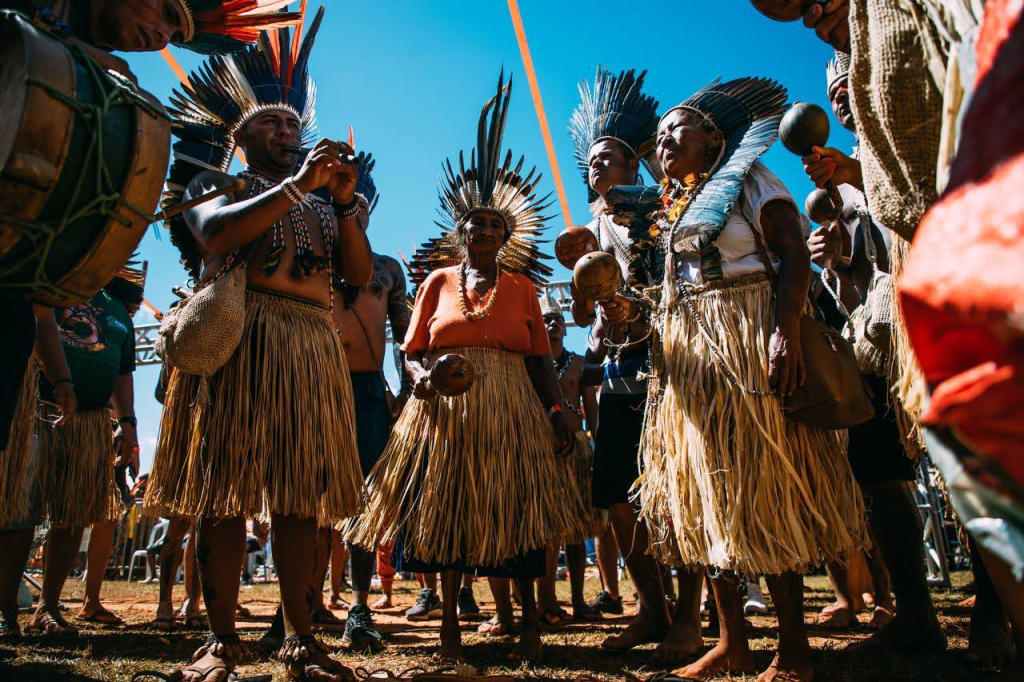
As tribos indígenas fazem um a grande parte da história brasileira. Quase 40% da área brasileira é composta por floresta amazônica. Então, as regiões Nortes estão mais rodeadas de imagens de natureza, espíritos e conexão com os elementos das florestas. Esses tipos de canções usam instrumentos nativos, como as maracas, com melodias simples e repetitivas. Têm também mensagens de preservação das tradições indígenas e a ideia de respeito pela mãe natureza e suas criações.
No Nordeste, há influência africana, com histórias de comunidade, orgulho ancestral, e temas centrais das religiões africanas, que nascem como Candomblé. Estas canções têm características musicais únicas, como complexidade rítmica, o uso de instrumentos de percussão (como o agogô) que refletem a forte presença afro-brasileira e mostram as lutas e dificuldades que enfrentaram os africanos que chegaram ao Brasil.
A influência europeia é mais vista no Sul e sudoeste, com narrativas de família, espiritualidade católica e do uso das canções de ninar como histórias de moral. A melodia é primariamente influenciada pelo fado português, e usam guitarra como instrumento central. Serve como reflexão de patrimônio europeu e traz ideias específicas dos países do oeste.
Todos esses estilos únicos se combinam em canções de ninar modernas e contemporâneas. A imigração, urbanização e globalização apagaram as distintas formas de canções e criaram em sua vez uma integração entre as diferentes culturas, enquanto mantendo os elementos centrais da região.
Para concluir, podemos ver como as canções de ninar encaixam a pluralidade cultural nacional do país. Não é somente uma parte de infância, mas um arquivo histórico das histórias que passaram pelo país pelo que conservar estas canções é vital, já que constituem artefatos culturais que nos ajudam a entender como o Brasil que conhecemos agora foi influenciado pelo passado.
How do lullabies represent the different cultures of diverse regions of Brazil?
Brazil has a variety of diverse regions and, because of this, each lullaby is unique and exclusively representative of the culture and tradition of different places. To introduce the cultural diversity of Brazil it’s necessary to consider the regional influences that come from indigenous, African and European areas. The songs reflect the distinct identities of each region, showing their ideas and histories through words and melodies.
Lullabies have a universal role of calming and helping children sleep. They also serve as a way of creating an intimate relationship between mother and child. But, in Brazil, these songs have a greater role than a calming song. They are protected pieces of history, serving as evidence of the life that walked our planet before us. They are also preserved values that create a unique society which children are exposed to since birth.
Regional Influences on Lullabies in Brazil
Indigenous tribes are a huge part of Brazilian history. Almost 40% of Brazil is composed of the Amazon rainforest. So, the Northern regions are more surrounded by images of nature, spirits and connection with the elements. These types of songs use native instruments, such as maracas, with simple and repetitive melodies. They also have messages of preservation of indigenous traditions and the idea of respect for mother nature and her creations.
In the Northeast, there is African influence with stories of community, ancestral pride, and central themes of African religions – which are seen through Candomblé. These songs have unique musical characteristics such as rhythmic complexity and the use of percussion instruments (such as the agogô)- that reflect the strong Afro-Brazilian presence and show the struggles and difficulties faced by the Africans who arrived in Brazil.
The European influence is most seen in the South and Southwest with family narratives, Catholic spirituality and the use of lullabies as moral stories. The melody is primarily influenced by Portuguese ‘fado’, and they use guitar as the central instrument. It serves as a reflection of European heritage and brings ideas from Western countries into the Southern hemisphere.
All these unique styles are combined in modern and contemporary lullabies. Immigration, urbanisation and globalisation erased the different forms of songs and created in turn an integration between the different cultures, while maintaining the central elements of the region.
To conclude, we can see how lullabies fit the country’s national cultural plurality. It is not only a part of childhood, but a historical archive of the stories that have passed through the country. Preserving these songs is vital, since they constitute cultural artefacts that help us understand how the Brazil we know today was influenced by the past.

 The Linguist NLCS