By Ursina, Year 12
In the following article, Ursina skillfully takes us through the history of the popular Spanish dessert, churros, whilst explaining the nuances of the recipe in different Spanish-speaking countries.
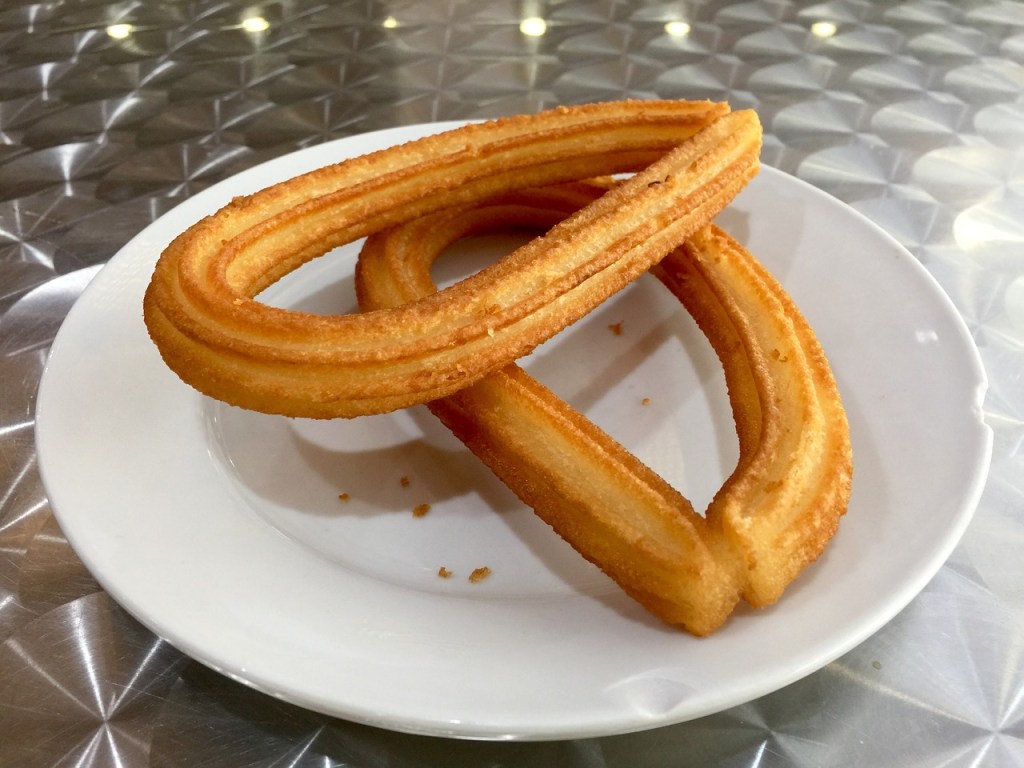
La historia de los churros comienza en España, donde fueron introducidos por los pastores españoles. Algunas teorías sugieren que se llamaban así por la raza de oveja churra, cuyos cuernos supuestamente se asemejaban a la forma retorcida de los churros. Estos humildes pasteles ganaron popularidad rápidamente y se convirtieron en un elemento básico de la cocina española.
Los churros siguieron evolucionando y llegaron a otras partes del mundo. Los marineros portugueses los introdujeron en Europa durante sus viajes, donde se convirtieron en un éxito en países como Francia y Portugal. Sin embargo, fue en Latinoamérica, sobre todo en México, donde los churros se hicieron un hueco. La versión mexicana, llamada «churros con chocolate», suele servirse con una rica y espesa salsa de chocolate, que crea una combinación celestial de dulce y salado.
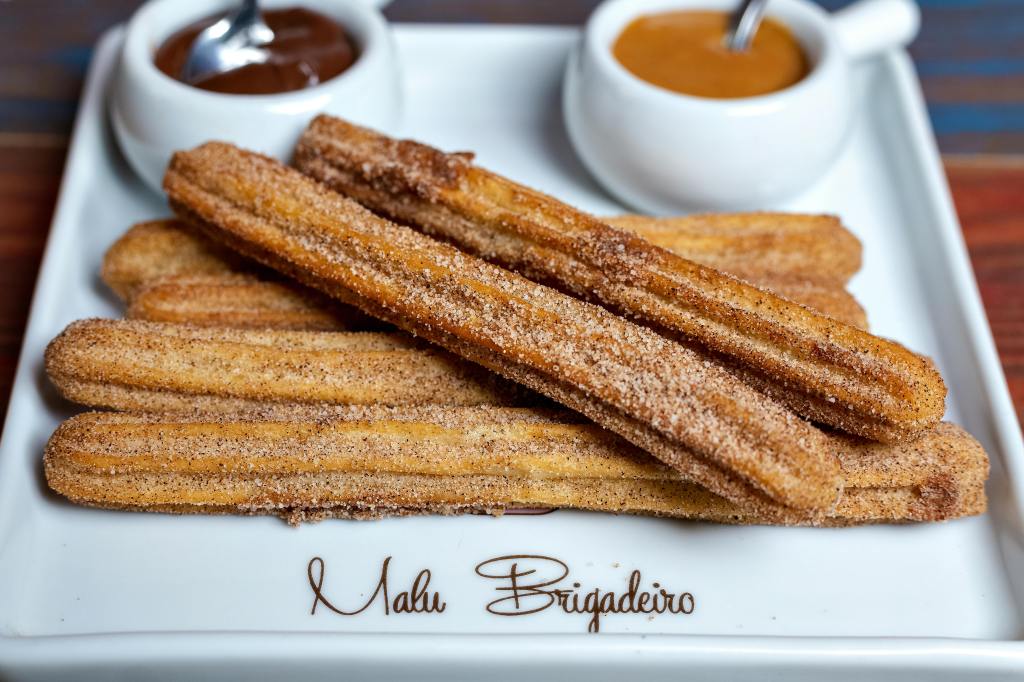
Suele elaborarse con una masa simple de harina, agua y sal, aunque pueden incluirse ingredientes adicionales, como azúcar o huevos, para darle sabor y textura. La masa se pasa por una boquilla en forma de estrella para crear una forma alargada y estriada, a menudo parecida a un palo estriado o una espiral. Estas tiras de masa se fríen hasta que se doran y quedan crujientes por fuera y blandas y pastosas por dentro. Una vez cocidos, los churros se rebozan en una mezcla de azúcar y canela que les da un sabor dulce y ligeramente picante. Se pueden degustar solos o acompañados de diversas salsas o aderezos, como chocolate, caramelo, dulce de leche o incluso helado.
Los churros se han adaptado a los gustos y preferencias locales, dando lugar a diferentes formas, tamaños y sabores según la región. He aquí algunas variaciones regionales notables de los churros:
España: España, cuna de los churros, ofrece el tradicional churro largo y retorcido, a menudo servido con un espeso y rico chocolate caliente para mojar. En algunas regiones pueden ser más finos o más gruesos, y suelen espolvorearse con azúcar y canela.
México: En México, los churros se conocen comúnmente como «churros con chocolate». Los churros mexicanos son ligeramente más gruesos y cortos que la versión española y suelen estar recubiertos de azúcar y canela. Suelen servirse con una taza de salsa de chocolate espesa y dulce para mojar.
Sudamérica: Varios países de Sudamérica tienen sus propias versiones de los churros. En Argentina, por ejemplo, los churros son parecidos a los españoles, pero más rectos y finos. En Brasil tienen churros recheados, rellenos de dulce de leche.
Portugal: Conocidos como «sonhos», los churros portugueses tienen una forma similar a los españoles, pero son más pequeños y su textura es más aireada. Se espolvorean con azúcar glas y a veces se rellenan con natillas.
Filipinas: En Filipinas, los churros se llaman «tsurro». Suelen ser más finos y cortos que la versión española y se sirven con diversas salsas, como chocolate y caramelo.
Europa del Este: En algunos países de Europa del Este, los churros se conocen como «trdelník» o «trdlo». Estos churros se suelen hacer envolviendo la masa en un molde cilíndrico y tostándola al fuego. Después se rebozan con azúcar y diversos ingredientes, como canela, nueces o chocolate.
Asia: Los churros también han ganado popularidad en algunas partes de Asia. En Corea del Sur se pueden encontrar «churros a la coreana», a menudo rellenos de dulce y recubiertos de azúcar aromatizado. En Japón, los «kurōzu» son similares a los churros tradicionales, pero pueden ser más largos y delgados.
Estas variaciones regionales muestran la versatilidad de los churros y cómo se han adaptado a los gustos y tradiciones culinarias locales. Aunque el concepto básico de masa frita sigue siendo el mismo, la preparación específica, el tamaño y los ingredientes pueden variar significativamente de una región a otra, ofreciendo una amplia gama de experiencias churreras en todo el mundo.
English translation:
The history of churros begins in Spain, where they were introduced by Spanish shepherds. Some theories suggest that they were named for the breed of churra sheep, whose horns supposedly resembled the twisted form of churros. These humble cakes quickly gained popularity and became a staple of Spanish cuisine.
Churros continued to evolve and reached other parts of the world. Portuguese sailors introduced them to Europe during their travels, where they became successful in countries such as France and Portugal. However, it was in Latin America, especially in Mexico, that the churros made their place. The Mexican version, called «churros con chocolate», is usually served with a rich and thick chocolate sauce, which creates a heavenly combination of sweet and salty.
It is usually made with a simple dough of flour, water and salt, although additional ingredients such as sugar or eggs may be included to give it flavor and texture. The dough is passed through a star-shaped nozzle to create an elongated, striated shape, often resembling a striated stick or spiral. These strips of dough are fried until golden brown and crispy on the outside and soft and pasty on the inside. Once cooked, the churros are battered in a mixture of sugar and cinnamon that gives them a sweet and slightly spicy flavor. They can be tasted alone or accompanied by various sauces or dressings, such as chocolate, caramel, dulce de leche or even ice cream.
Churros have adapted to local tastes and preferences, resulting in different shapes, sizes and flavors depending on the region. Here are some notable regional variations of churros:
Spain: Spain, cradle of churros, offers the traditional long and twisted churro, often served with a thick and rich hot chocolate to wet. In some regions they may be thinner or thicker, and are often sprinkled with sugar and cinnamon
Mexico: In Mexico, churros are commonly known as «churros con chocolate». Mexican churros are slightly thicker and shorter than the Spanish version and are usually coated with sugar and cinnamon. They are usually served with a cup of thick and sweet chocolate sauce to wet.
South America: Several South American countries have their own versions of churros. In Argentina, for example, churros are similar to the Spanish, but more straight and thin. In Brazil they have churros recheados, filled with dulce de leche.
Portugal: Known as «sonhos», the Portuguese churros have a similar shape to the Spanish, but they are smaller and their texture is more airy. They are sprinkled with icing sugar and sometimes filled with custard.
Philippines: In the Philippines, churros are called «tsurro». They are usually thinner and shorter than the Spanish version and are served with various sauces, such as chocolate and caramel.
Eastern Europe: In some Eastern European countries, churros are known as «trdelník» or «trdlo». These churros are usually made by wrapping the dough in a cylindrical mold and roasting it on fire. Then they are battered with sugar and various ingredients, such as cinnamon, nuts or chocolate.
Asia: Churros have also gained popularity in some parts of Asia. In South Korea you can find «churros a la coreana», often stuffed with sweet and coated with flavored sugar. In Japan, the «kurōzu» are similar to traditional churros, but may be longer and thinner.
These regional variations show the versatility of churros and how they have adapted to local culinary tastes and traditions. Although the basic concept of fried dough remains the same, the specific preparation, size and ingredients can vary significantly from region to region, offering a wide range of churning experiences around the world.

 The Linguist NLCS